+86-13819126663
संग्रहालय, अभिलेखागार और पुस्तकालयों के लिए डीह्यूमिडिफ़ायर video

संग्रहालय, अभिलेखागार और पुस्तकालयों के लिए डीह्यूमिडिफ़ायर

संग्रहालय के लिए 240L डीह्यूमिडिफ़ायर

विवरण

संग्रहालय, अभिलेखागार के लिए डीह्यूमिडिफ़ायर


मुख्य विशेषताएं:

1. बड़े क्षेत्र आवेदन: बड़े dehumidification क्षमता, बड़े क्षेत्र dehumidification मांग, बड़े पवन चक्र के लिए उपयुक्त है


2, अल्ट्रा वाइड आर्द्रता रेंज: 20% -90% अल्ट्रा वाइड आर्द्रता रेंज, विभिन्न dehumidification साइटों की जरूरतों को पूरा कर सकते हैं, लचीले ढंग से चरम वातावरण का जवाब कर सकते हैं


3, समर्थन निरंतर जल निकासी: बाहरी नाली पाइप, सीवर पाइप के लिए सीधी पहुँच, सुविधाजनक जल निकासी है


4, बुद्धिमान निरार्द्रीकरण: स्मार्ट चिप्स शामिल हैं, वर्तमान पर्यावरण आर्द्रता के अनुसार स्वचालित रूप से बुद्धिमान निरार्द्रीकरण होगा, देखने की कोई जरूरत नहीं


5, बुद्धिमान गलती निर्णय: स्वचालित रूप से रखरखाव के लिए एलसीडी स्क्रीन पर गलती स्थान और प्रतिक्रिया निर्धारित करते हैं


6, दो-तरफा समय: कार्य की आवश्यकताओं के अनुसार बूट समय और शटडाउन समय निर्धारित कर सकते हैं, संचालित करने में आसान


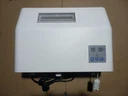
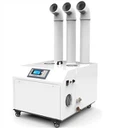
उत्पाद तस्वीरें:

Dehumidifiers for Museums, Archives and Libraries

Dehumidifiers for Museums, Archives and Libraries

विस्तृत पैरामीटर:

आदर्श DH-5168C
आर्द्रता निकालना 168 एल / डी या 7 एल / एच
शक्ति का स्रोत 380V / 50HZ
रेटेड पावर इनपुट 3.2KW
पावर करंट 6.2A
काम का तापमान 5-38 ℃
घूमता हुआ वायु 1600M3 / एच
शीतल R22 / R407C
कुल भार 108Kg
कुल भार 118Kg
अंतरिक्ष लागू करना 150 ~ 200m2
उत्पाद आयाम 405x605x1620mm
पैकिंग आयाम 485x655x1680mm
लोड हो रहा है मात्रा 33pcs / 20ft
उत्पादन की अवधि दस दिन
गारंटी 1 साल

संग्रहालय, अभिलेखागार और पुस्तकालय में dehumidifier के लिए आवेदन

आर्द्रता (निरपेक्ष आर्द्रता और सापेक्ष आर्द्रता) की अवधारणा आमतौर पर संग्रहालय पर्यावरण अध्ययन के अध्ययन में शामिल होती है। आर्द्रता को समझने के लिए, सापेक्ष आर्द्रता और पूर्ण आर्द्रता के बीच संबंध को समझना आवश्यक है। हमारे आस-पास की हवा में एक निश्चित मात्रा में जल वाष्प होता है, जिसे गीली हवा कहा जाता है; वह वायु जो सैद्धांतिक रूप से जल वाष्प से मुक्त होती है, शुष्क वायु कहलाती है। सम्पूर्ण आर्द्रता हवा में जल की वाष्प के द्रव्यमान का अनुपात आर्द्र हवा की कुल मात्रा से है। यह हवा में जल वाष्प की मात्रा का एक माप है।


तापमान की कुछ शर्तों के तहत, हवा में पानी की मात्रा का अनुपात उस पानी की सामग्री पर होता है जिस पर हवा में जल वाष्प संतृप्ति बिंदु तक पहुंचता है जिसे हम आमतौर पर सापेक्ष आर्द्रता कहते हैं। जब हवा में नमी उच्चतम स्तर तक पहुंच जाती है, तो इसे संतृप्ति कहा जाता है। इस मामले में सापेक्ष आर्द्रता 100% है।


हवा में संग्रहीत पानी की मात्रा तापमान से प्रभावित होती है। जितना अधिक तापमान, उतना अधिक पानी। इसलिए, निरपेक्ष आर्द्रता (पानी की सामग्री) नहीं बदलती है। तापमान जितना अधिक होगा, सापेक्ष आर्द्रता उतनी ही कम होगी। यदि हवा में जल वाष्प का वजन स्थिर है और तापमान में परिवर्तन होता है, तो सापेक्ष आर्द्रता बहुत भिन्न हो सकती है।


उदाहरण के लिए, एक अर्ध-खुले वातावरण में संग्रहालयों के लिए, धातु की कलाकृतियों सहित संग्रह प्रदर्शनी के दौरान उच्च तापमान और सापेक्ष आर्द्रता के संपर्क में हो सकते हैं, लेकिन किसी कारण से कलाकृतियों को कम तापमान के वातावरण में ले जाया जाता है, परिवर्तन के कारण तापमान, धातु की कलाकृतियों के आसपास जल वाष्प ठंड की स्थिति में घनीभूत हो जाएगा, जिससे "संक्षेपण" हो जाएगा। धातु कलाकृतियों की सतह पर जल वाष्प "संक्षेपण" की घटना धातु कलाकृतियों के क्षरण का एक महत्वपूर्ण कारण है।


इसके अलावा, पर्यावरण की नमी जिसमें संग्रह रखा गया है, बहुत बड़ा है, जो खराब पानी प्रतिरोध के साथ संग्रह बनाता है, जैसे कागज, चित्रों का रंग गहरा हो जाता है, और मोल्ड स्पॉट होने का खतरा होता है; और अगर नमी बहुत कम है, तो लकड़ी और लाख मिलेंगे। इसलिए, संग्रहालय में वातावरण की नमी और तापमान को नियंत्रित करना काफी महत्वपूर्ण है।


आजकल, प्रदर्शनी कक्ष और गोदाम की नमी को समायोजित करने के लिए देश-विदेश के कई संग्रहालयों और कला दीर्घाओं ने वायुमंडलीय आर्द्रता नियामकों, नमी अवशोषक आदि का उपयोग करना शुरू कर दिया है और कुछ निश्चित परिणाम प्राप्त किए हैं।

The concept of humidity (absolute humidity and relative humidity) is usually involved in the study of museum environmental studies. In order to understand the humidity, it is necessary to understand the relationship between relative humidity and absolute humidity. The air around us contains a certain amount of water vapor, which is called wet air; the air that is theoretically free of water vapor is called dry air. Absolute humidity is the ratio of the mass of water vapor in the air to the total volume of humid air. It is a measure of the amount of water vapor in the air.  Under certain conditions of temperature, the ratio of the water content in the air to the water content at which the water vapor in the air reaches the saturation point is what we usually call relative humidity. When the moisture in the air reaches the highest level, it is called saturation. The relative humidity in this case is 100%.  The amount of water that can be stored in the air is affected by the temperature. The higher the temperature, the more the water is. Therefore, the absolute humidity (water content) does not change. The higher the temperature, the lower the relative humidity. If the weight of water vapor in the air is constant and the temperature changes, the relative humidity may vary greatly.  For example, for museums in a semi-open environment, collections including metal artifacts may be exposed to a higher temperature and relative humidity during the exhibition, but for some reason the artifacts are moved to In a low temperature environment, due to the change of temperature, the water vapor around the metal artifacts will condense under cold conditions, causing


The concept of humidity (absolute humidity and relative humidity) is usually involved in the study of museum environmental studies. In order to understand the humidity, it is necessary to understand the relationship between relative humidity and absolute humidity. The air around us contains a certain amount of water vapor, which is called wet air; the air that is theoretically free of water vapor is called dry air. Absolute humidity is the ratio of the mass of water vapor in the air to the total volume of humid air. It is a measure of the amount of water vapor in the air.  Under certain conditions of temperature, the ratio of the water content in the air to the water content at which the water vapor in the air reaches the saturation point is what we usually call relative humidity. When the moisture in the air reaches the highest level, it is called saturation. The relative humidity in this case is 100%.  The amount of water that can be stored in the air is affected by the temperature. The higher the temperature, the more the water is. Therefore, the absolute humidity (water content) does not change. The higher the temperature, the lower the relative humidity. If the weight of water vapor in the air is constant and the temperature changes, the relative humidity may vary greatly.  For example, for museums in a semi-open environment, collections including metal artifacts may be exposed to a higher temperature and relative humidity during the exhibition, but for some reason the artifacts are moved to In a low temperature environment, due to the change of temperature, the water vapor around the metal artifacts will condense under cold conditions, causing

लोकप्रिय टैग: संग्रहालयों, अभिलेखागार और पुस्तकालयों के लिए dehumidifiers, निर्माताओं, आपूर्तिकर्ताओं, कारखाने, थोक

जांच भेजें

(0/10)

clearall